Geophysical Methods For Gold Mineralization: What Confirms?
Anyone involved in early-stage gold exploration eventually faces the same question: when does a resistivity or induced polarization (IP) anomaly give you enough reason to drill?
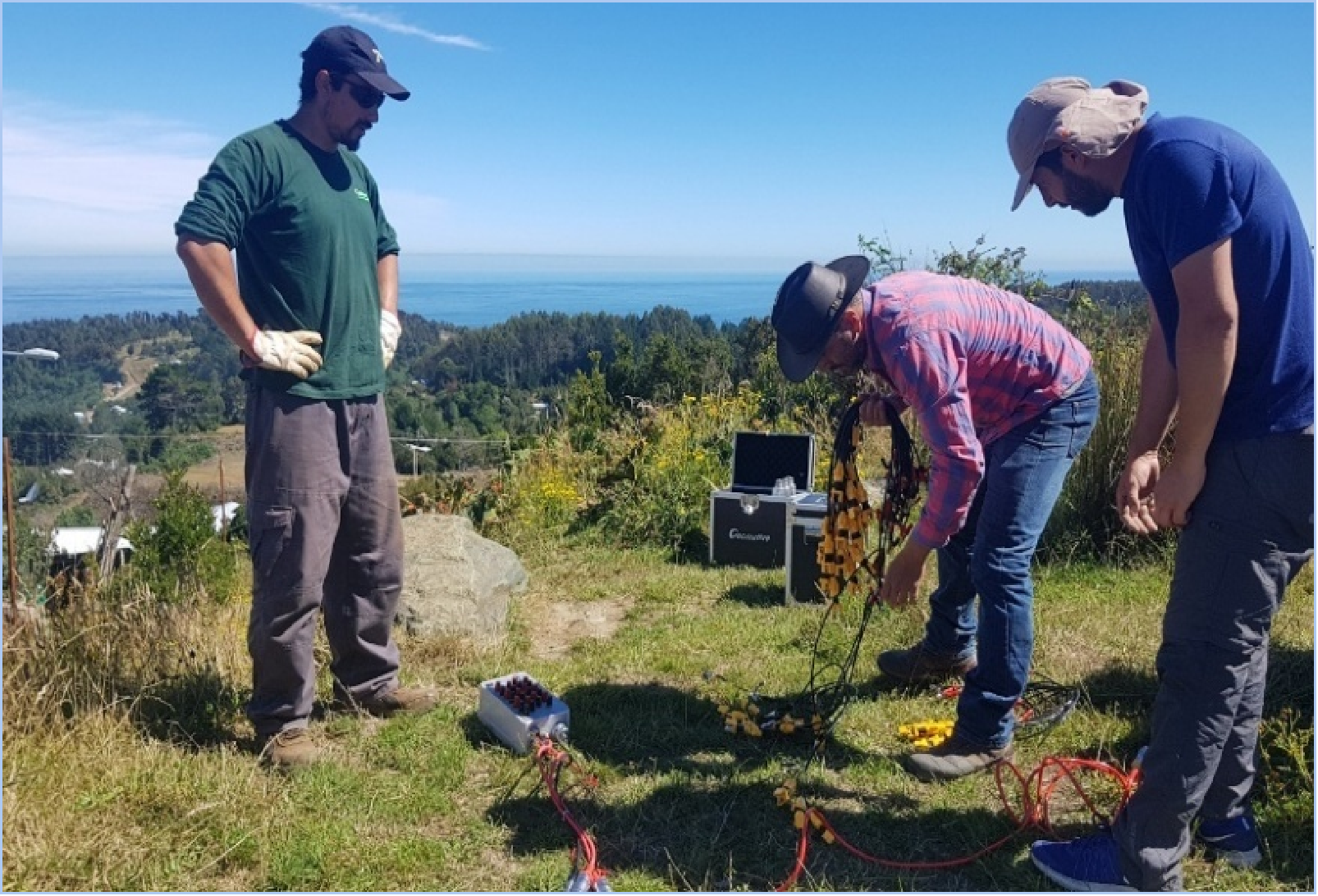
Electrical resistivity and IP surveys can help screen targets before drilling. They map contrasts in subsurface electrical properties that may be associated with sulfides or alteration. In a documented gold exploration project in Pará, Brazil, the team used a Geomative GD-10 Supreme 2D+/3D+ high-density survey configuration with 24 non-polarizing electrodes. The survey investigated electrical anomalies in an area considered prospective for mineralization, illustrating how these measurements can help prioritize targets for follow-up.
Clay content, groundwater, and fracturing can also affect resistivity. A strong anomaly may justify follow-up, and confirming gold mineralization requires geological evidence and assays of representative samples, with drilling where appropriate. Platforms such as DIGspace can help teams compare resistivity results with borehole logs and other available data, giving interpreters more context for deciding which targets to test.
If you’ve worked on a similar program, how much weight do you give a resistivity or IP anomaly when deciding where to drill? Which evidence would most change your decision: geochemistry, structural mapping, or results from earlier drilling?
https://www.geomative.com/
Geomative Co., Ltd.