Home › Forums › Communications & Electronics › How to Prevent Drone Video Transmitter Interference for Stable FPV Signals
- This topic is empty.
-
AuthorPosts
-
In the rapidly evolving world of unmanned aerial vehicles (UAVs), a reliable video transmission system is critical for both recreational and professional drone applications. Whether you are using drones for aerial photography, surveying, inspection, or FPV (First Person View) racing, interference in the UAV video transmitter signal can cause degraded video quality, signal loss, or even accidents. Understanding the causes of interference and implementing strategies to prevent it is essential for maintaining drone video transmission stability. In this article, we will explore the common sources of interference, practical prevention techniques, and tips for optimizing your drone's video performance.
Understanding UAV Video Transmitter Interference
UAV video transmitter interference refers to any disruption in the transmission of video signals from the drone to the ground control station. This interference can manifest as signal flickering, dropped frames, lag, or complete video loss, significantly affecting both the safety and effectiveness of drone operations. Common sources of interference include:
-
Electromagnetic Interference (EMI): High-power radio signals from nearby communication towers, Wi-Fi networks, or other drones can disrupt the UAV video transmitter.
-
Physical Obstacles: Buildings, trees, metal structures, or other obstacles can block or weaken the signal, especially for long-range UAV video transmitters.
-
Frequency Congestion: Operating multiple drones or using other electronic devices in the same frequency band can lead to congestion and cross-interference.
-
Environmental Factors: Weather conditions such as rain, fog, and humidity can attenuate signals, particularly in higher frequency bands.
-
Improper Equipment Setup: Poor antenna placement, low-quality cables, or inadequate shielding can increase the susceptibility to interference.
By understanding these sources, drone operators can take targeted measures to prevent UAV video transmitter interference and ensure consistent performance.
Strategies to Prevent Drone Signal Loss
1. Use High-Quality UAV Video Transmitters
Investing in a long-range UAV video transmitter with robust signal integrity is the first step toward minimizing interference. High-quality transmitters often include:
-
Advanced frequency management to avoid crowded channels
-
Low-latency transmission for FPV racing and live monitoring
-
Enhanced error correction protocols to maintain video quality even in challenging environments
When choosing a UAV video transmitter, consider the operational range, frequency band (2.4 GHz vs. 5.8 GHz), and compatibility with your drone’s onboard systems.
2. Optimize Antenna Placement
Antenna placement plays a crucial role in drone video transmission stability. Ensure that:
-
The transmitter and receiver antennas are positioned with minimal obstructions
-
Polarization alignment is correct to maximize signal reception
-
Directional antennas are oriented toward the receiver for long-range applications
Avoid placing antennas near electronic components that could emit electromagnetic interference. In FPV setups, using circularly polarized antennas can reduce multipath interference caused by signal reflections from the ground or nearby structures.
3. Select Appropriate Frequency Bands
Frequency management is essential for preventing UAV video transmitter interference. Different frequencies offer distinct advantages:
-
2.4 GHz: Good penetration through obstacles, but more prone to congestion from Wi-Fi networks
-
5.8 GHz: Less crowded and higher video quality, but more affected by physical barriers
Using dual-band transmitters or frequency-hopping technology can help mitigate interference by dynamically switching channels when congestion or interference is detected.
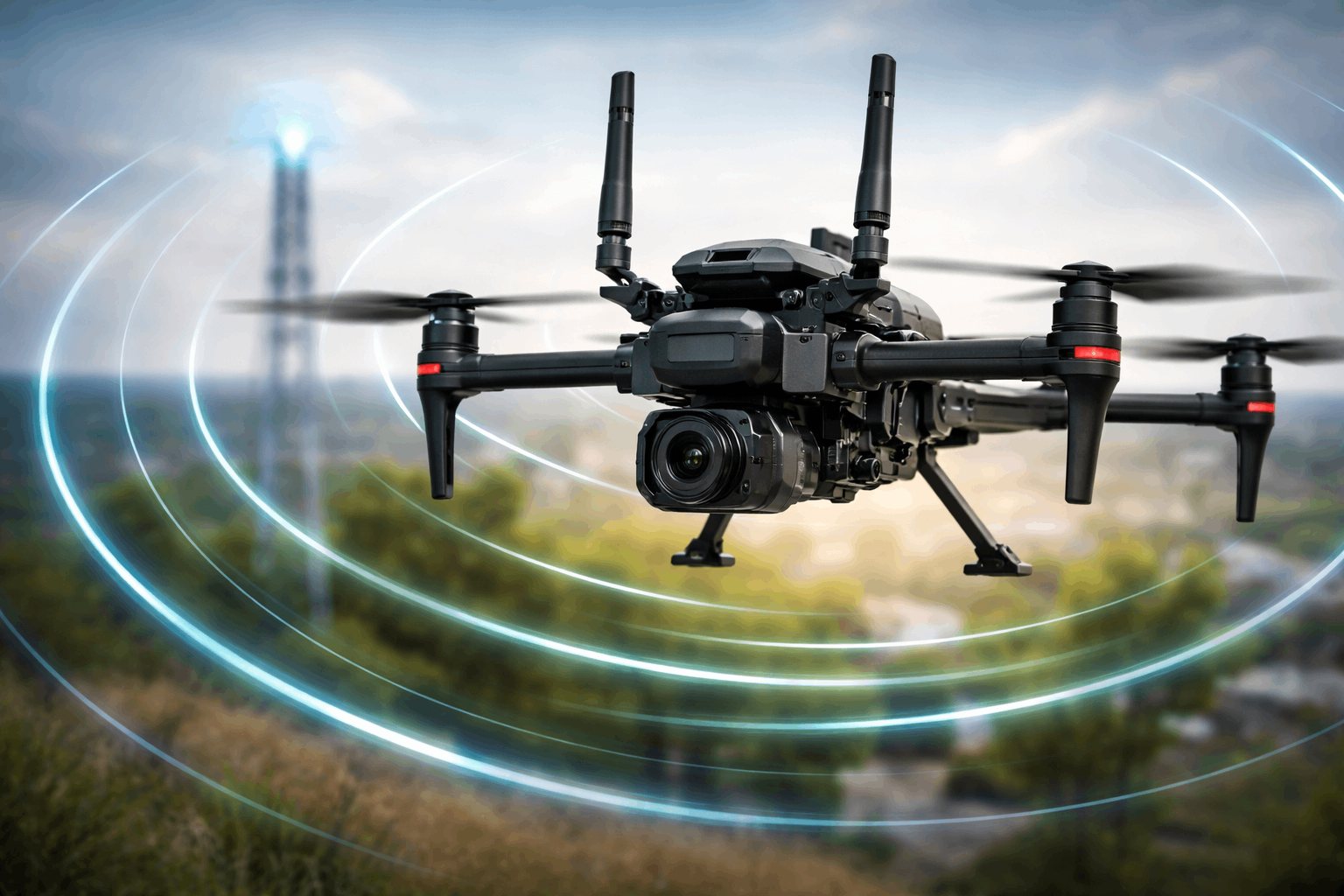
4. Maintain a Clear Line of Sight
Maintaining a line of sight (LOS) between the drone and the receiver is one of the simplest yet most effective ways to prevent signal loss. Obstacles such as tall buildings, trees, or terrain elevations can weaken or reflect signals, causing video interruptions. When planning drone flights, prioritize open areas and maintain visual contact whenever possible.
5. Minimize Environmental Interference
Weather conditions can impact UAV video transmitter performance. Rain, fog, and high humidity can attenuate signals, especially for high-frequency transmitters. To reduce environmental interference:
-
Avoid flying during heavy rain or dense fog
-
Adjust transmitter power settings according to distance and weather
-
Consider using weather-resistant or outdoor-rated transmitters for industrial applications
6. Implement Signal Shielding and Cable Management
Interference can also originate from the drone itself. Electrical components such as ESCs (Electronic Speed Controllers) and motors generate EMI, which may disrupt the FPV video transmitter signal. To prevent this:
-
Use shielded cables for video transmission
-
Keep video cables away from high-power wires
-
Use ferrite beads or EMI filters to suppress unwanted noise
Proper cable management ensures that the video signal remains clean and reduces the risk of interference during flight.
7. Update Firmware and Software
Manufacturers often release firmware updates for UAV video transmitters and receivers to improve signal stability and reduce interference. Keeping your equipment up to date ensures access to the latest error correction protocols, frequency management features, and compatibility enhancements.
8. Conduct Pre-Flight Interference Checks
Before each flight, perform a pre-flight check to detect potential interference:
-
Scan the available channels to choose the least congested frequency
-
Test video quality at various distances and altitudes
-
Identify any local sources of EMI such as communication towers or industrial equipment
Regular pre-flight testing can prevent mid-flight signal loss and protect expensive drone equipment.
9. Use Redundant Systems for Critical Operations
For professional drone applications such as surveying, inspection, or cinematography, consider using redundant video transmitters or dual-receiver setups. These systems can switch to a backup channel or receiver in case of interference, ensuring continuous video transmission even in challenging environments.
10. Educate Operators on Best Practices
Finally, operator knowledge is crucial in preventing UAV video transmitter interference. Training should cover:
-
Optimal transmitter and receiver setup
-
Awareness of environmental and electromagnetic factors
-
Emergency procedures in case of video signal loss
Well-trained operators can proactively avoid interference and make informed decisions during flight.
Conclusion
Interference in UAV video transmitters can compromise video quality, drone performance, and operational safety. By understanding the sources of UAV video transmitter interference and implementing preventive measures such as high-quality transmitters, proper antenna placement, frequency management, environmental awareness, and pre-flight checks, drone operators can significantly enhance drone video transmission stability. For professional applications, investing in long-range UAV video transmitters with redundant systems ensures reliable performance in critical missions.
Preventing drone signal loss is not a one-time effort but an ongoing process that combines equipment quality, technical setup, environmental awareness, and operator expertise. By following the strategies outlined in this article, both hobbyists and professional drone users can enjoy clear, uninterrupted video transmission and maximize the safety and effectiveness of their UAV operations.
http://www.pega-fly.com
pega-fly. -
-
AuthorPosts
