- This topic is empty.
-
AuthorPosts
-
In global supply chains, transportation is no longer a simple cost center—it is a performance driver that directly impacts inventory turnover, delivery reliability, and total landed cost. Among available shipping modes, full container load services (FCL) are widely adopted for medium- to high-volume shipments where cargo integrity, transit predictability, and cost efficiency must be balanced.
However, FCL is often misunderstood as merely “booking a full container.” In practice, it is a system-level logistics solution involving container selection, cargo consolidation strategy, route optimization, customs compliance, and end-to-end visibility. Misalignment in any of these elements can result in delays, unexpected charges, or cargo damage.
YUKON LOGISTICS approaches full container load services as an integrated logistics framework, combining ocean freight, inland transport, customs clearance, and warehousing into a coordinated execution model designed for reliability and efficiency.
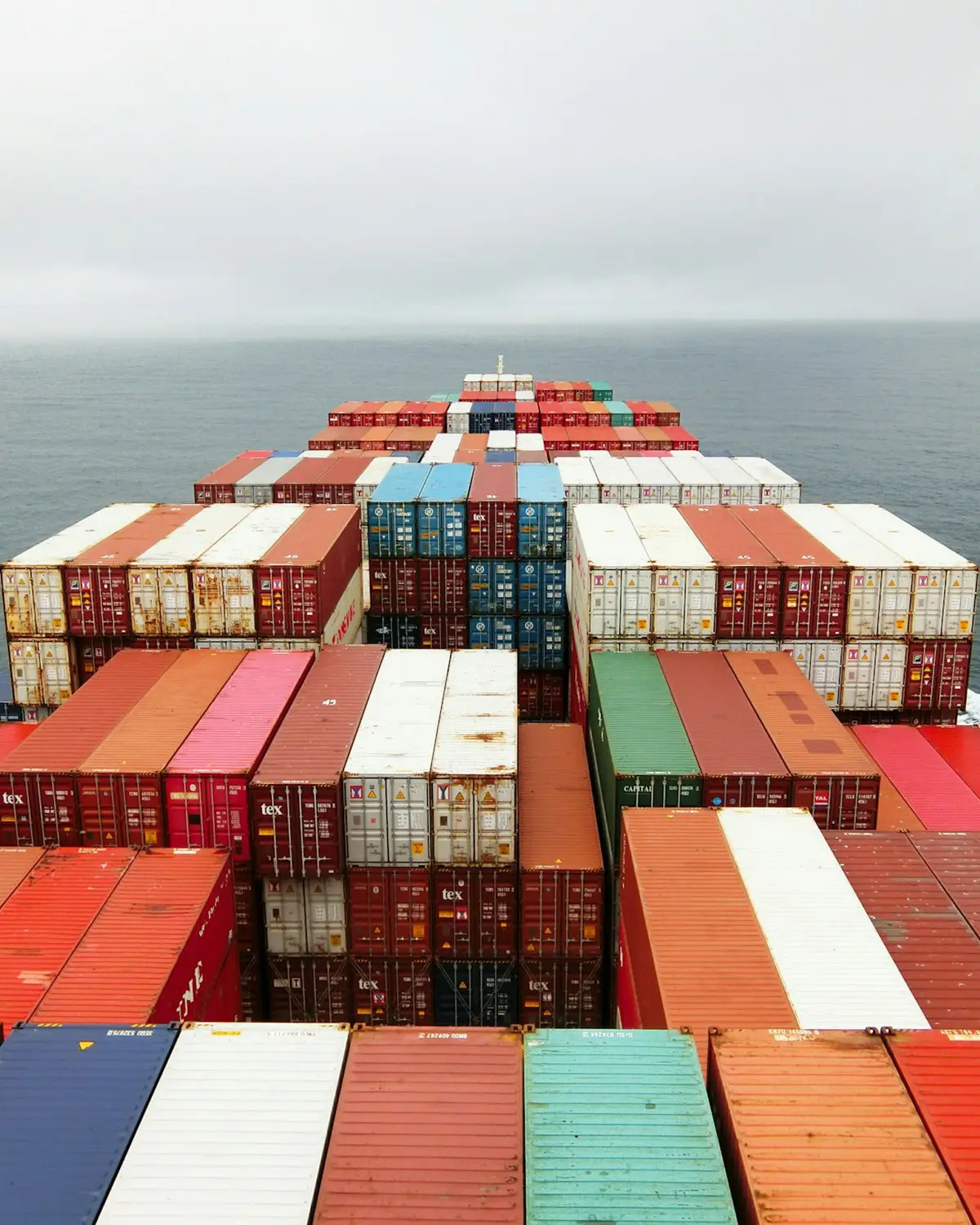
Why full container load services dominate high-volume shipping
When shipment volume reaches a certain threshold, FCL becomes more efficient than less-than-container load (LCL) solutions.
The key differences are not only cost-related but also operational.
In FCL:
-
One shipper uses the entire container
-
Cargo is sealed at origin and opened at destination
-
Handling steps are minimized
-
Transit time is more predictable
In contrast, LCL shipments:
-
Combine cargo from multiple shippers
-
Require consolidation and deconsolidation
-
Introduce additional handling and delay risks
For shipments exceeding approximately 15–18 CBM, FCL typically offers better cost efficiency per cubic meter while reducing operational complexity.
Container selection and capacity utilization
Selecting the appropriate container type is a fundamental step in full container load services.
Standard container specifications
Common container types include:
20GP (20-foot general purpose):
-
Internal volume: ~33 CBM
-
Payload capacity: ~28,000 kg
40GP (40-foot general purpose):
-
Internal volume: ~67 CBM
-
Payload capacity: ~26,000–28,000 kg
40HQ (40-foot high cube):
-
Internal volume: ~76 CBM
-
Increased height for bulky cargo
The choice depends on cargo density, dimensions, and handling requirements.
Load optimization and space utilization
Efficient container loading directly affects cost performance.
Key considerations include:
-
Weight distribution to avoid axle overload during inland transport
-
Maximizing volume utilization to reduce cost per unit
-
Securing cargo to prevent movement during transit
For example, a poorly loaded container may utilize only 70% of available space, increasing effective freight cost by over 30%.
YUKON LOGISTICS provides load planning support to ensure optimal space utilization and compliance with transport regulations.
Cost structure of full container load services
Understanding the cost components of FCL is essential for accurate budgeting and decision-making.
Core cost elements
Ocean freight:
-
Base freight rate per container
-
Varies by route, season, and carrier capacity
Origin charges:
-
Container handling charges (THC)
-
Documentation and export clearance fees
Destination charges:
-
Import handling fees
-
Port charges and delivery costs
Additional surcharges:
-
Bunker adjustment factor (BAF)
-
Peak season surcharges (PSS)
-
Currency adjustment factor (CAF)
Cost comparison: FCL vs LCL
For a shipment of 25 CBM:
-
LCL cost may be calculated per CBM, including consolidation fees
-
FCL cost is fixed per container
In many cases, FCL becomes more economical once cargo volume exceeds a certain threshold, while also offering reduced risk and faster transit.
Transit time and schedule reliability
One of the main advantages of full container load services is improved transit predictability.
Typical transit components
-
Origin handling: 1–3 days
-
Ocean transit: 15–40 days depending on route
-
Destination handling: 2–5 days
-
Inland delivery: variable
Because FCL shipments do not require consolidation, they avoid delays associated with waiting for cargo from other shippers.
Factors affecting transit reliability
Port congestion:
-
Can add several days to transit time
Weather conditions:
-
Impact vessel schedules
Customs clearance:
-
Delays due to documentation or inspection
YUKON LOGISTICS mitigates these risks through route planning, carrier selection, and proactive communication.
Cargo safety and risk management
Cargo integrity is a critical concern in international shipping.
Risk factors in container transport
-
Improper cargo securing leading to movement
-
Moisture and condensation damage
-
Theft or tampering during transit
Risk mitigation strategies
Proper packaging:
-
Use of pallets, straps, and protective materials
Container inspection:
-
Checking for structural integrity before loading
Sealing:
-
High-security seals to prevent unauthorized access
Environmental control:
-
Use of desiccants to reduce moisture
FCL offers inherent advantages in cargo safety because the container is not opened during transit.
Customs clearance and compliance
Customs procedures are a major factor in international logistics performance.
Key documentation requirements
-
Commercial invoice
-
Packing list
-
Bill of lading
-
Certificates of origin (if required)
Errors in documentation can result in:
-
Delays
-
Additional inspection costs
-
Penalties
Integrated customs solutions
YUKON LOGISTICS provides customs clearance support as part of its full container load services, ensuring:
-
Compliance with local regulations
-
Accurate documentation
-
Faster clearance times
Integration with inland logistics and warehousing
Full container load services do not end at the port.
Inland transportation
Options include:
-
Trucking for short-distance delivery
-
Rail transport for long-distance inland movement
Efficient coordination between ocean and inland transport reduces dwell time and overall transit cost.
Warehousing and distribution
In many cases, containers are delivered to warehouses for:
-
Deconsolidation
-
Inventory storage
-
Distribution to final destinations
Integrated logistics solutions ensure smooth transition between transport stages.
Application scenarios for FCL
Manufacturing supply chains
For raw materials and components:
-
High-volume shipments
-
Need for predictable delivery schedules
-
Reduced handling to prevent damage
Retail and e-commerce distribution
For finished goods:
-
Large shipment volumes
-
Time-sensitive delivery requirements
-
Cost efficiency at scale
Project cargo and industrial equipment
For oversized or heavy cargo:
-
Specialized containers may be required
-
Careful load planning and securing are critical
Digitalization and visibility in FCL logistics
Modern full container load services increasingly rely on digital tools.
Key capabilities
-
Real-time shipment tracking
-
Automated documentation management
-
Data analytics for route optimization
These tools improve transparency and enable proactive decision-making.
Sustainability considerations
Environmental impact is becoming an important factor in logistics decisions.
FCL contributes to sustainability by:
-
Maximizing container utilization
-
Reducing emissions per unit of cargo
-
Supporting efficient transport networks
Optimized routing and load planning further reduce carbon footprint.
Choosing the right FCL service provider
Selecting a logistics partner requires evaluating several factors:
-
Network coverage and carrier partnerships
-
Experience in handling specific cargo types
-
Integration of multimodal transport services
-
Ability to provide customized solutions
YUKON LOGISTICS combines ocean, air, land, customs, and warehousing services into a unified offering, enabling flexible and efficient logistics solutions tailored to customer requirements.
Future trends in full container load services
The evolution of FCL logistics is driven by:
-
Increased automation in ports and terminals
-
Integration with supply chain management systems
-
Greater emphasis on data-driven optimization
-
Expansion of intermodal transport networks
These trends aim to improve efficiency, reliability, and sustainability in global trade.
Conclusion: optimizing logistics through full container load services
The full container load services model is more than a shipping option—it is a strategic logistics solution that impacts cost, reliability, and supply chain performance.
By focusing on container optimization, cost structure, transit control, and risk management, businesses can leverage FCL to achieve efficient and predictable global transportation.
With its integrated logistics capabilities and commitment to customized solutions, YUKON LOGISTICS delivers full container load services designed to meet the demands of modern supply chains—where precision, reliability, and efficiency are essential for success.
http://www.yukonlog.com
SHENZHEN YUKON LOGISTICS CO.,LTD. -
-
AuthorPosts
